Chimneys are often overlooked when it comes to home maintenance, yet they play a crucial role in the safety and efficiency of your heating system. Seasonal changes can have profound effects on the condition of chimneys, influencing everything from structural integrity to functionality. As temperatures fluctuate and weather patterns shift, understanding how these changes impact your chimney is essential for maintaining its health. This article delves into the various ways seasonal changes affect chimneys and outlines proactive measures you can take to ensure your chimney remains in top shape.
The Impact of Seasonal Changes
Winter: The Test of Resilience
During winter, chimneys face some of their toughest challenges. Prolonged exposure to freezing temperatures can lead to significant issues such as frost damage. When rain or snow seeps into small cracks and crevices in the chimney structure, it can freeze overnight. Ice expands as it freezes, forcing those cracks wider and potentially leading to major structural problems.
Additionally, the use of fireplaces during cold months increases the likelihood of creosote buildup inside the flue. Creosote is a highly flammable substance that accumulates when wood burns incompletely. As temperatures drop, homeowners often light more fires for warmth, inadvertently increasing fire risks if regular cleaning is neglected.
Spring: A Time for Renewal
As spring arrives, the melting snow and rain create conditions ripe for moisture-related damage. Water infiltration can lead to rusting of metal components and deterioration of bricks and mortar joints. If left unchecked, this moisture can cause mold growth both within the chimney structure and throughout your home.
Spring is also an optimal time for inspections after winter's wear and tear. Many homeowners consider scheduling a professional chimney sweep during this season to remove any accumulated debris from winter use and assess any potential damage caused by ice expansion or water intrusion.
Summer: The Silent Deterioration
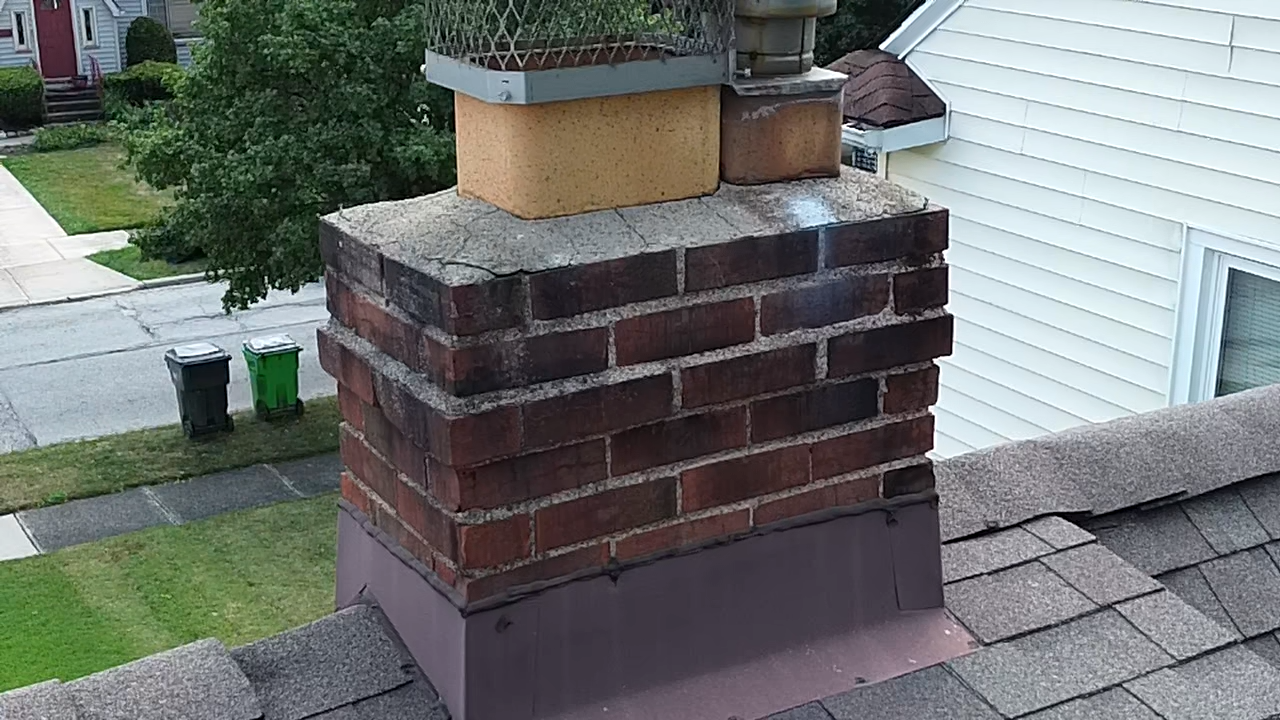
Summer might seem like a safe period for chimneys, but this season brings its own set of challenges. High temperatures can cause materials like brick and mortar to expand and contract significantly, which over time may lead to cracking or spalling—a condition where surface layers break away due to thermal stress.
Moreover, summer storms are notorious for causing roof debris like branches or leaves to fall into chimneys. This debris can block airflow in the flue or lead to pests making nests within your chimney structure. Regular checks during this season are vital to ensuring that your chimney remains clear and functional.
Fall: Preparing for the Cold
As summer transitions into fall, homeowners begin using their fireplaces more frequently in anticipation of colder weather. This increased usage heightens concerns about creosote buildup once again as temperatures start dropping at night.
Fall is also when many homeowners start preparing their homes for winter by performing maintenance tasks that may include inspecting their chimneys. It's wise to schedule a thorough inspection before heavy use begins; ensuring that there are no obstructions or build-up that could lead to dangerous situations later on.
Signs Your Chimney Needs Attention
In addition to understanding seasonal impacts on your chimney's best chimney repair in Cleveland Ohio condition, it's important to recognize signs that indicate repair needs:
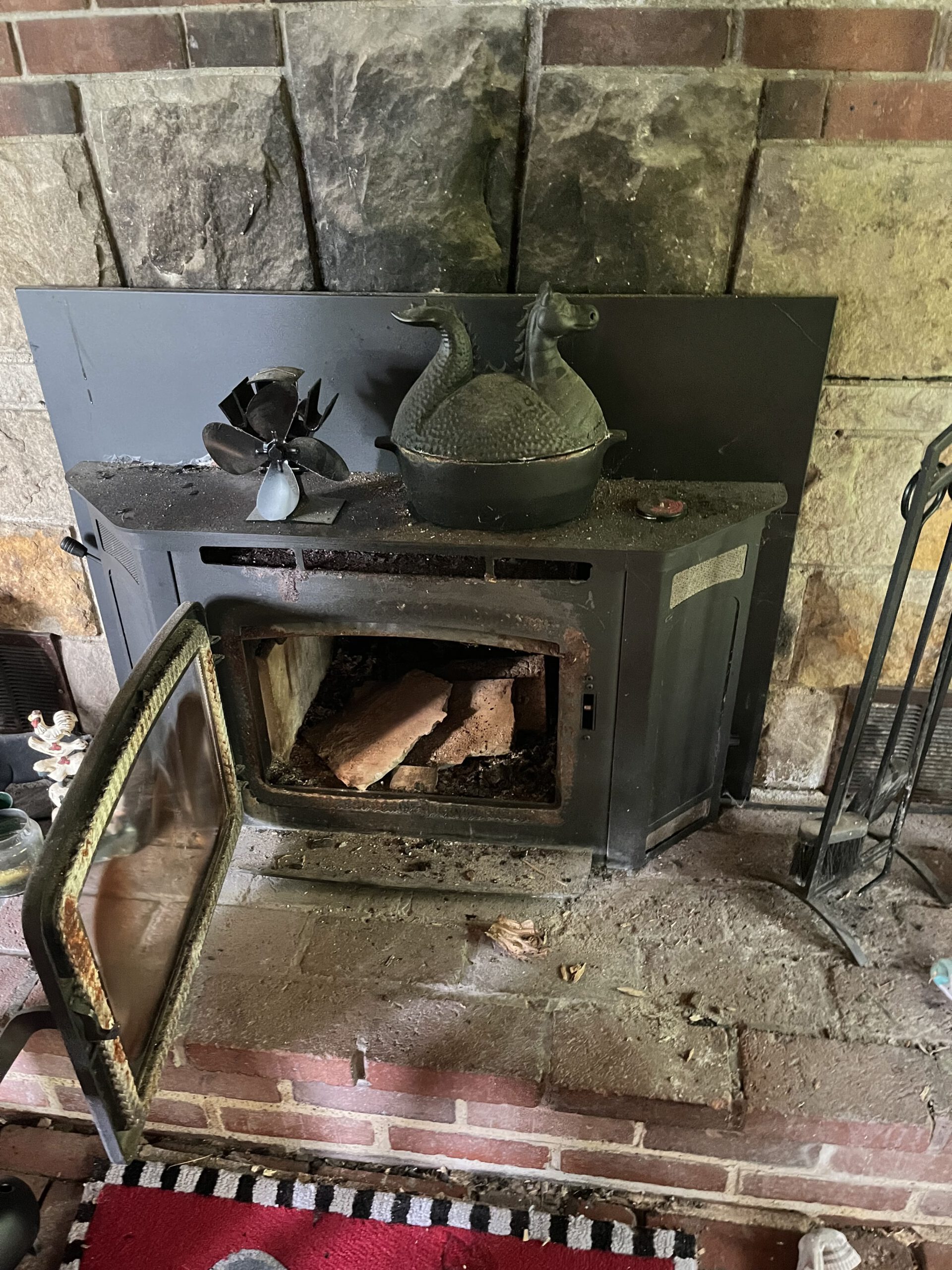
Cracks or Gaps: Inspecting the exterior masonry should reveal whether any visible cracks or gaps have developed. Water Stains: Look inside your fireplace or near the base of your chimney for signs of water stains from leaks. Creosote Buildup: If you notice a strong odor coming from the fireplace during off-seasons or see dark deposits inside the flue after burning wood regularly, it’s time for a cleaning. Deteriorating Mortar: Flaking or crumbling mortar joints signal that moisture has taken its toll on your chimney’s structural integrity. Smoke Backdraft: If smoke backs up into your home rather than venting through the flue while using your fireplace, there may be an obstruction needing immediate attention.Being vigilant about these signs allows you not only to maintain safety in your home but also prolongs the life span of one of its most essential features.
Preventive Measures To Protect Your Chimney
Proactive maintenance can greatly reduce potential issues caused by seasonal changes:
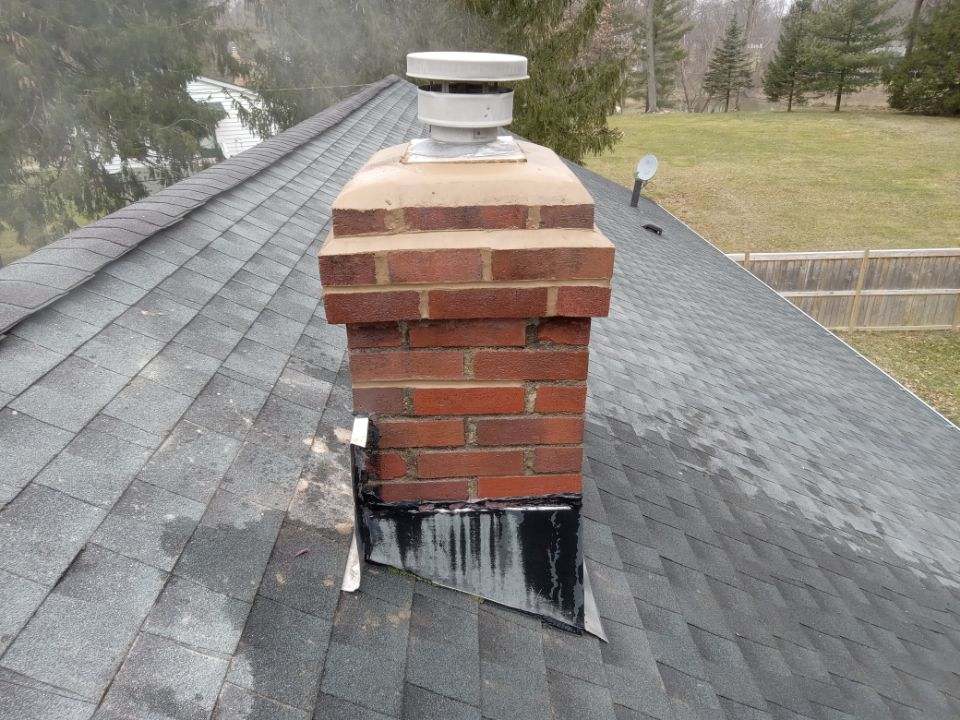
Regular Inspections: Schedule annual inspections with professionals who specialize in chimney repair in Cleveland, Ohio such as Lewis Chimney and Masonry before each heating season begins. Routine Cleaning: Have creosote removed annually if you use your fireplace frequently—this will minimize fire risks associated with buildup. Waterproofing Solutions: Use sealants specifically designed for masonry structures that repel water without trapping moisture inside; this can help mitigate damage caused by rain and snow. Cap Installation: Installing a chimney cap prevents debris accumulation while allowing proper ventilation—this simple addition reduces both moisture ingress during storms along with animal intrusion risks. Proper Ventilation: Ensure that all vents are clear—this enhances airflow while minimizing pressure imbalances which could result from obstructions leading backdrafts into living spaces.By implementing these measures consistently throughout each season rather than waiting until problems arise will pay dividends down the road regarding safety levels within homes featuring fireplaces—especially those located within regions experiencing dramatic climate shifts such as Cleveland where harsh winters are common.
The Role of Professionals
While many homeowners tackle basic maintenance tasks themselves due diligence dictates consulting professionals whenever serious concerns arise concerning structural aspects involving chimneys particularly older buildings needing specialized assessments provided by reputable companies like Lewis Chimney & Masonry based out of Cleveland Ohio dedicated towards ensuring comprehensive care pertaining specifically towards residential structures housing internal heating systems fueled primarily via wood burning practices amongst others prevalent throughout local neighborhoods familiarized via generations past!
Engaging experts ensures optimal risk management—addressing potential hazards stemming from seasonal effects mitigating long-term repercussions alongside preserving valuable investments made initially when purchasing properties ultimately guaranteeing peace-of-mind knowing thorough evaluations were conducted backed by years dedicated experience within trade itself fostering relationships built upon trustworthiness established throughout industry norms upheld sacredly across board!
Conclusion
Understanding how seasonal changes affect chimneys empowers homeowners with knowledge critical for maintaining their heating systems' efficacy over time while safeguarding against unwanted expenses incurred through neglectfulness resulting inevitable repairs needed should warning signs go unheeded! By staying proactive—conducting regular inspections alongside preventative measures outlined herein—it becomes possible not only protect yourself but also uphold safety standards expected within communities such as ours making sure everyone enjoys cozy evenings around warm fires without worries looming overhead!